












Pepsi and Coca-Cola Evading Cancer Warning Label, Here is How
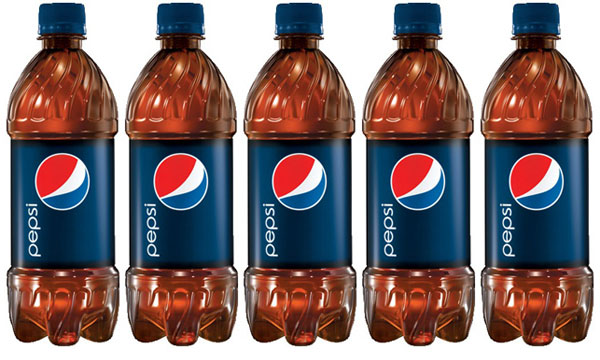

As a result of a California law, both PepsiCo Inc. and Coca-Cola Co. have been making efforts to change the way their caramel coloring is used in their sodas to circumvent having to display cancer warning labels on their packages.
CBS News points a recent report from the consumer watchdog Center for Science in the Public Interest finds that Coca-Cola, Pepsi-Cola, Dr. Pepper (Dr. Pepper Snapple Group Inc) and 365 Cola (Whole Foods) contain “unsafe levels of the coloring Ingredient, 4-methylimidazole or 4-MI.”
The findings are no joke, with the group estimating that “the amount of 4-MI in the Coke and Pepsi products tested causes nearly 15,000 cancers among Americans.”
So per California law, Dr Pepper Snapple Group Inc. said that their caramel coloring now meet standard, as well as product put out by Coca-Cola Co.
The California Law in question, California Prop 65, calls for the publication of a list of chemicals that are known to cause cancer or reproductive toxicity. As such, warning labels would be forced onto products containing certain levels of these chemicals.
Before we take out our machetes and bazookas and storm the headquarters of our local 4-MI distributors (bad joke), a spokesman for the Food and Drug Administration noted that a consumer would to have down more than 1,000 cans of soda a day to reach the doses administered to rodents that showed links to cancer.
Gizmodo courts the idea further: who’s trivializing the situation more? Should we be concerned that these major soda brands are simply reducing the amount of this carcinogenic ingredient, and not eliminating it completely?
When the FDA spokesperson tells you that you need 1,000 cans in a day to even get a possible effect, let’s not discredit the amount of people in our group of friends and family who might be consuming 1,000 cans of soda in a given year. Yes, there might be the other health problems that will attack you if you’re downing thousands of cans of coke a year, but it’s all worthwhile information to think about.
Lastly, it looks like The American Beverage Association defends Coca-Cola and Pepsi’s decision. Coca-Cola seemingly dismisses the findings, calling the warning they would possibly be subjected to as “scientifically unfounded.”
The corporations’ main claim is that these studies seem to offer no evidence of health risks to humans (lab rats aren’t humans…or are they?).
This fight isn’t over.
Better question is, will you still be drinking your caramel-colored carbonated beverages? What’s your stance?